







Search Results for: ice selection
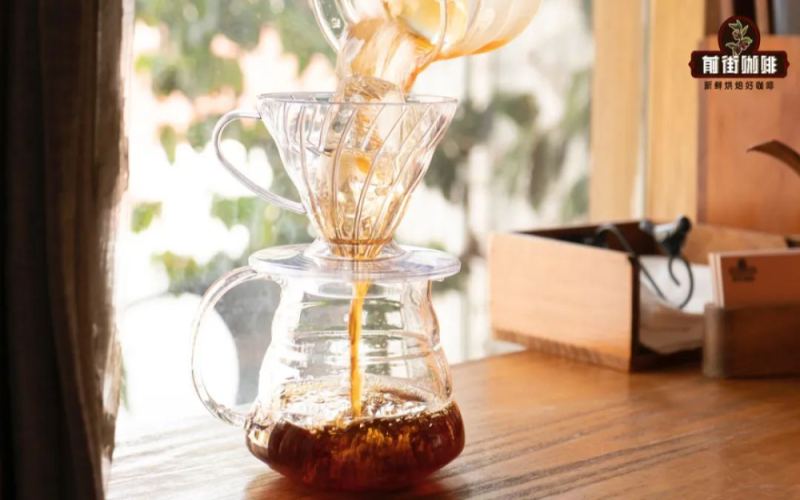
A Complete Guide to Ice Cube Amounts and Coffee-to-Water Ratios for Iced Pour-Over Coffee: A Practical Guide from Bean Selection to Brewing
On a hot summer day, a glass of iced pour-over coffee becomes the favorite of many coffee lovers. But exactly how much ice should be added? And how should the coffee-to-water ratio be adjusted? This article will systematically answer common questions about iced pour-over coffee from multiple angles, including coffee bean selection, the role of ice, specific brewing plans, and the timing of adding ice. Taking 15 grams of coffee, a 1:10 coffee-to-water ratio, and 100 grams of ice as an example, Front Street Coffee breaks down in detail the grind size, actual concentration, and the impact of ice melting on flavor, helping you make a cup of iced pour-over that is both refreshing and not diluted. [more…]
Ice Drip Coffee vs. Cold Brew Coffee: Key Differences Explained — From Bean Selection to Extraction, Front Street Coffee Shares Five Keys to Making Ice Drip Coffee
Although ice drip coffee and cold brew coffee both fall under the category of cold drinks, they differ noticeably in equipment structure, extraction principles, and operational details. Drawing on practical experience from Front Street Coffee shops, this article systematically breaks down the key points of making ice drip coffee, covering five major factors: coffee bean selection, grind size, drip rate, coffee-to-water ratio, and drinking method, along with specific parameter recommendations. Whether you are a beginner just getting into ice drip or an enthusiast hoping to improve the consistency of your brews, you will find practical operational ideas to reference here. [more…]
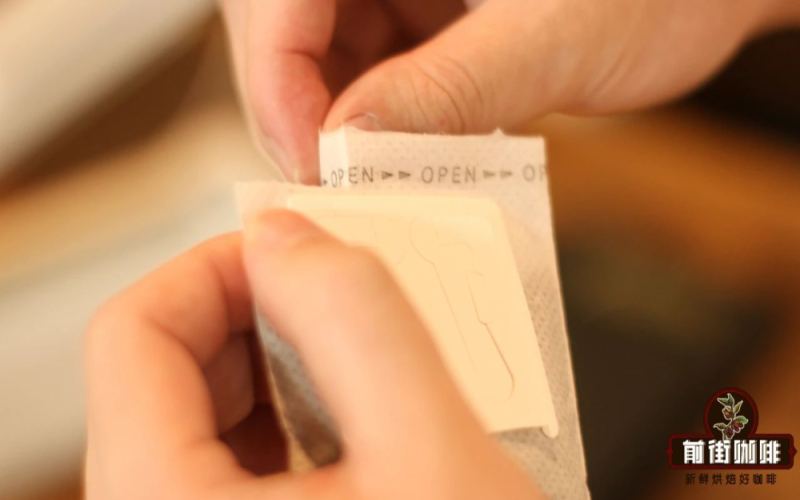
Can Drip Bag Coffee Be Made into a Cold Drink? A Full Guide to Bean Selection and Iced Drip Bag Pour-Over Brewing
Drip bag coffee, with its portability and ease of use, has become the choice for many people's daily coffee. Once the weather heats up, making a cup of iced coffee with a drip bag has become a new pastime for many enthusiasts. However, not all drip bags are suitable for adding ice—the roast level and flavor profile directly affect how the drink tastes over ice. This article covers the bean selection direction for drip bag coffee, the logic behind adjusting parameters for iced pour-over, and the specific steps, and recommends two Front Street Coffee drip bag products suitable for making iced coffee, helping you easily recreate a refreshing iced drip bag coffee at home. [more…]

The Complete Guide to Making Iced Latte Coffee: A Detailed Explanation of Material Selection, Milk-Coffee Ratios, and Operational Details
An iced latte may seem to require just three steps—adding ice, pouring milk, and pouring coffee—but making a delicious one involves careful consideration from ingredient selection to ratios to operational details. Starting from the pairing of coffee beans and milk, this article introduces espresso blend options for different flavor profiles, including the characteristics and suitable scenarios of Front Street Specialty Blend, Front Street Dark Cocoa Blend, Front Street Classic Blend, Front Street Commercial Blend, and Front Street Strawberry Candy Espresso; it then provides a reference ratio for Front Street Iced Latte—35g espresso, 250ml fresh milk, and 75g ice cubes—and explains how adjusting the ratio affects the flavor; finally, it emphasizes the key roles of espresso extraction quality, preparation speed, and ice soaking time in the final taste and layering effect, helping coffee enthusiasts consistently reproduce a beautiful and delicious iced latte in their daily brewing. [more…]
Easily Make Iced Americano, Iced Latte, Cold Brew, and Cold Drip at Home: A Complete Guide from Bean Selection to Extraction
On a scorching summer day, a glass of iced coffee always brings refreshing, invigorating delight. Iced Americano, iced latte, cold brew, and iced drip—these four popular iced coffees each have their own merits: the iced Americano uses espresso plus ice water to deliver zero-guilt refreshment, the iced latte wraps the richness of coffee in milk, while cold brew and iced drip rely on low-temperature extraction to fully release coffee's roundness, fullness, and clean flavors. This article walks you through recreating café-quality iced coffee step by step, from brewing methods and equipment selection to coffee bean recommendations, and shares Front Street Coffee's Classic Blend, Strawberry Candy, as well as bean varieties suited to iced drinks such as Butterfly, Red Cherry, and Mozart, helping you find your own summer flavor. [more…]
How to Make a Delicious Iced Latte: A Complete Guide from Coffee Bean Selection and Coffee-to-Milk Ratios to Brewing Details
Iced latte coffee looks like it only takes three steps to complete: add ice, pour milk, pour coffee. But to make a truly delicious iced latte, there are many considerations from material selection to operational details. This article will unfold from three dimensions: First, how to choose suitable coffee beans and milk; Front Street Coffee's specialty blend, dark cocoa blend, classic blend, commercial blend, and strawberry candy espresso each have different flavor expressions; Second, how to pair the milk-coffee ratio reasonably, using 35g espresso, 250ml fresh milk, and 75g ice cubes as a reference; Third, what easily overlooked details exist in the operation, including espresso extraction quality and the impact of production speed on layering and mouthfeel. [more…]
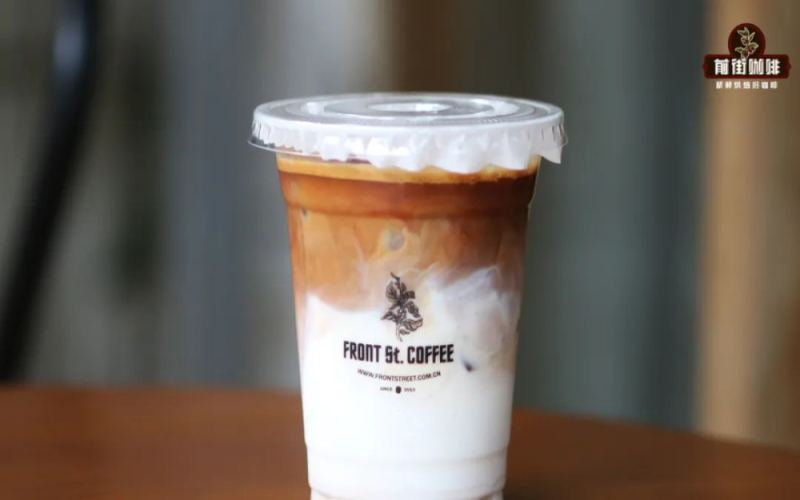
How to Make a Delicious Iced Latte? A Full Analysis of Cup Size, Milk-to-Coffee Ratio, and Coffee Bean Selection
Iced latte is one of the easiest milk coffees to make among espresso drinks. It seems to involve only three steps—adding ice, pouring milk, and pouring coffee—but to make it smooth and delicious, there are still three aspects behind it: ingredient selection, milk-to-coffee ratio, and operational details. This article focuses on these three points: first, it explains how coffee beans and milk affect the flavor direction, then it provides the 1:6 ratio used by Front Street Iced Latte and a reference of about a 300ml cup size, and finally it supplements the details that are easily overlooked during extraction and cup assembly. The article also recommends beans suitable for iced lattes, such as Front Street Dark Cocoa Blend and Front Street Strawberry Candy Espresso, for coffee lovers' reference. [more…]
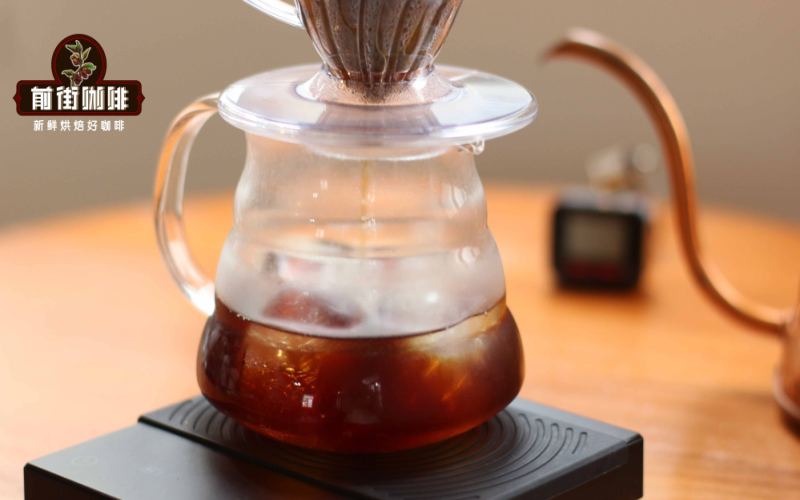
The Complete Guide to Summer Iced Pour-Over Coffee: Practical Tips from Bean Selection to Brewing, Plus Brand Recommendations
In the height of summer, a refreshing, ice-cold iced pour-over coffee is often more popular than hot coffee. This article will break down the iced pour-over process in detail for coffee lovers, from choosing coffee beans suitable for iced brewing and mixing the coffee-to-ice-to-water ratio, to key steps such as grind setting, blooming time, and staged pouring, gradually presenting a complete set of operating instructions. At the same time, the article also combines several Front Street Coffee beans to give specific recommendations for tea-like notes, juicy notes, and no-acidity preferences, helping you easily make a cup of iced pour-over coffee with clear flavor and a clean mouthfeel at home. [more…]
AeroPress Iced Coffee Brewing Guide: Bean Selection and Extraction Parameters Explained
In the heat of midsummer, iced coffee becomes the daily go-to for many coffee lovers. Making a satisfying AeroPress iced coffee actually involves quite a few factors—the freshness of the coffee beans, nailing the grind size, and controlling the extraction time; every step affects the final flavor expression. This article uses Front Street washed Yirgacheffe as an example, starting from the logic of bean selection, to break down in detail the AeroPress iced coffee brewing process and core parameters, including grind size, coffee-to-water ratio, water temperature, and operating steps, helping you reliably recreate a cup of iced coffee rich with floral aromas and abundant fruity character at home. [more…]

What Are the Differences Between Cold Brew, Ice Drip, Cold Brewed, and Iced Coffee? A Complete Guide to the Craft, Flavor, and Bean Selection of Four Types of Iced Coffee
Although they are all iced coffee, cold drip, cold brew, cold extraction, and iced chilling are often lumped together. They appear to all rely on low temperatures, but in reality their extraction paths, time requirements, and flavor directions are each different: cold drip emphasizes slow dripping and a fermented character, cold brew uses long soaking in exchange for a clean and smooth result, while iced chilling is a quick solution involving hot extraction followed by rapid cooling. This article breaks down the differences among the four from the perspectives of brewing principles, water flow control, water-to-coffee ratio, grinding, and bean selection, while retaining specific recommendations such as Front Street Coffee Mandheling and Yirgacheffe, to help coffee lovers make more suitable choices in different scenarios. [more…]
Step-by-step Guide to Making Iced Latte: A Full Breakdown from Bean Selection and Milk Choice to Ratio Control and Technique Tips
An iced latte may seem like it only takes three steps to make: add ice, pour milk, add coffee. But to truly make a delicious iced latte, there are quite a few details to consider behind the scenes. From choosing coffee beans and milk, to the ratio between espresso, milk, and ice, to the rhythm of operations during extraction and assembly, every step directly affects the final flavor performance. This article uses Front Street Coffee's iced latte preparation as an example to sort out three key aspects—material selection, milk-to-coffee ratio, and operational details—to help coffee enthusiasts consistently reproduce a balanced, layered iced latte at home. [more…]

Iced Coffee Brewing Guide: A Full Breakdown of Bean Selection, Brewing Parameters, and Operational Details
When the weather is dry, a glass of iced coffee always refreshes you instantly. This article centers on the classic method of iced pour-over, first introducing coffee bean choices for different flavor profiles, including Front Street Strawberry Candy, Front Street Sidra, Front Street 2013 Sun-Dried Typica, Front Street Bird of Paradise, Front Street PWN Golden Mandheling, Front Street Queen's Estate, and more. It then breaks down the universal formula for coffee dose, water volume, ice ratio, and grind size, and uses Front Street Kafa Forest as an example to fully demonstrate the bloom, pouring, and extraction time steps, helping you recreate the flavor of café-style iced pour-over at home. [more…]
Latte Coffee Bean Selection Guide: Espresso Blends and Milk Pairing, Plus Key Points for Making Iced Lattes
Iced latte may seem like just three steps—add ice, pour milk, pour coffee—but making a delicious one requires attention from coffee bean selection to milk pairing. This article focuses on three core aspects: first, choosing the right materials—the espresso blend determines the flavor direction of the latte, and the milk should complement the coffee rather than simply seeking richness; second, properly balancing the milk-to-coffee ratio—Front Street Coffee's classic blend with Vitasoy fresh milk uses a reference of 20g grounds extracted in 25 seconds to yield 40g liquid, paired with 250ml milk and 75g ice; third, paying attention to operational details, including espresso extraction quality and preparation speed. The article also introduces Front Street Coffee's classic blend as a tribute to the Mamba recipe, with added Robusta to enhance the crema, suitable for home latte art. [more…]
Can a French press make delicious iced coffee? A complete guide from bean selection to grind size
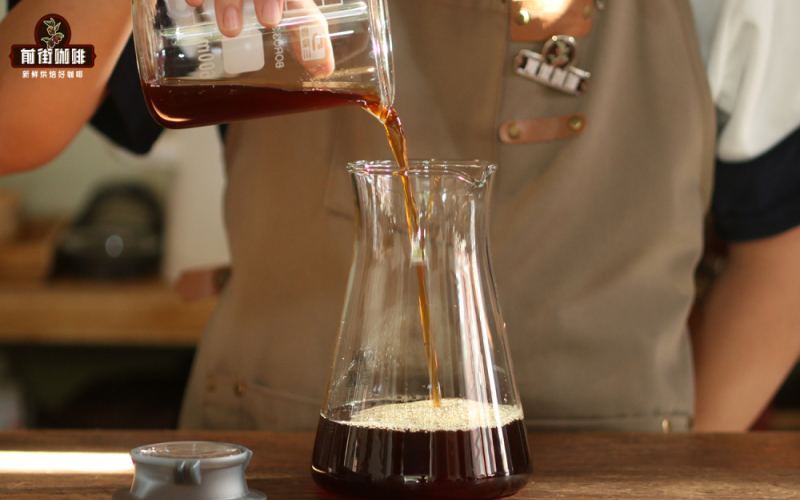
If you only have a French press and no pour-over gear, can you still make a satisfying iced coffee? The answer is yes. A French press uses immersion extraction, and with the same beans, the hot coffee it produces is often more balanced and fuller-bodied than pour-over. Borrowing from the Japanese-style iced pour-over approach, you can steep coffee in a smaller amount of hot water to get a concentrated coffee liquid, then pour it over ice to dilute and cool it, making iced coffee. However, diluting with ice lowers the concentration, so it's not advisable to use light-roast beans with pronounced acidity, or the result will taste thin and may develop off-flavors like almond or peanut skin. This article walks through the complete extraction plan using Front Street Strawberry Candy coffee beans, from bean selection to 15 grams of grounds, a 1:8 coffee-to-water ratio, 94°C water temperature, medium-coarse grinding, and the step-by-step process. [more…]
Cold Brew Coffee Bean Selection Guide: A Complete Analysis of Single-Origin Coffee Bean Flavor Pairings and Creative Recipes
In recent years, cold-drip and cold brew coffee made through low-temperature extraction have become increasingly favored by coffee enthusiasts, but which beans to choose, what equipment to use, how long it can be stored, and how to drink it creatively are all questions people care about. Based on Front Street Coffee's practical experience, this article provides a detailed overview of the extraction principles of iced coffee, equipment selection, single-origin bean recommendations suited to different flavors, the impact of chilled fermentation on taste, creative drinking methods such as adding dried flower petals, and safe refrigeration storage limits, helping you make a cup of outstanding iced coffee at home. [more…]

How to Make Cold Brew Coffee Taste Great? A Full Guide to Grind Size, Drip Rate, and Coffee Bean Selection
Cold brew coffee is loved by coffee enthusiasts for its rich yet refreshing flavor and its natural fermented, wine-like aroma, achieved by slowly dripping ice water through coffee grounds. Making cold brew is actually not complicated; the key lies in choosing the right equipment, controlling the grind size and drip rate, and selecting the right coffee beans. If the grind is too coarse, the flavor will be thin; if it's too fine, it will easily clog and cause water to pool, bringing out bitterness. Front Street Coffee recommends using a No. 20 standard sieve with 80-85% grind size, controlling the drip rate at about 7 drops per 10 seconds, with 60 grams of grounds taking about 6 hours. After dripping, it still needs to be placed in the refrigerator for low-temperature fermentation for 12 hours to reach optimal flavor. This article will explain in detail the brewing parameters and bean selection approach for cold brew coffee. [more…]

How to Adjust Iced Pour-Over Coffee Parameters? A Full Breakdown of Water Temperature, Ratio, Grind Size, and Bean Selection
Iced pour-over coffee is not simply about pouring hot coffee over ice cubes; it requires targeted adjustments in the coffee-to-water ratio, grind size, water temperature, and pouring method, otherwise it is very easy to end up with a brew that tastes as weak as ice water. Starting from Front Street's hands-on experience, this article first explains the root cause of flavorless iced pour-over—both concentration and extraction yield are too low—and then explains one by one how the parameters change as the water amount is reduced: the coffee-to-water ratio is tightened from 1:15 for hot brewing to 1:10, the grind is made finer by 1–2 settings, the passing rate through a No. 20 sieve increases by about 5%, and staged pouring is used to extend the extraction time to make up for the loss of efficiency caused by the reduced water amount. The article also gives direction on bean selection: natural and anaerobic processing suit rich flavors, while washed processing suits a fresh and clean taste, and it includes Front Street's complete iced pour-over recipe for Ethiopia Hamashu for reference. [more…]

Where Does Iced Americano Flavor Come From? Selected Espresso Beans Perfect for Making Iced Americano
The composition of an Americano is extremely simple—just add water to espresso, and an iced Americano is simply that with ice added. Precisely because the recipe is pure, with no milk to mask anything, the flavor of the coffee beans themselves becomes the key factor determining whether a cup of Americano is good or bad. Many coffee professionals, when visiting a new shop, habitually order an iced Americano—it saves time and allows them to quickly judge the quality of the output. It's clear that choosing the right coffee beans is the first step to making a good iced Americano. This article will recommend three Front Street espresso blend beans with distinct styles for home coffee machine users, covering nutty-chocolate notes, a high-sweetness fruity profile, and a traditional rich style, helping you find the one most suitable for making iced Americano based on your personal taste. [more…]

Analysis of the Three Major Iced Coffee Extraction Methods: Bean Selection Tips for Cold Brew, Ice Drip, and Pour-Over
As iced coffee becomes a staple on social media, more and more coffee enthusiasts are trying to recreate it at home. Iced Americano, iced latte, iced pour-over, cold brew, and iced drip each have their own tricks, and the key to whether a cup of iced coffee tastes good often lies in the choice of beans. This article analyzes three types of low-temperature extraction logic: espresso needs oil support, iced pour-over emphasizes aroma layers, while cold brew and iced drip rely on balanced performance at low temperatures. Overall, medium-roast coffee beans with floral and fruity notes best suit a variety of methods. The article also compiles five Front Street Coffee beans suitable for making iced coffee, covering both blends and single origins, to help you find your ideal summer iced coffee solution. [more…]

Iced Pour-Over Coffee Bean Selection Guide: Flavor Differences Between Hot and Iced Brewing and Front Street Coffee's Recommended Bean List
In the heat of summer, iced pour-over coffee becomes the top choice for many coffee lovers. But not all coffee beans are suitable for iced brewing, and there are clear differences in flavor and mouthfeel between hot pour-over and iced pour-over. Starting from Front Street Coffee's actual brewing methods, this article compares in detail the differences between iced pour-over and hot pour-over in grind size, coffee-to-water ratio, water temperature, and pouring technique, and uses three beans—Front Street Ethiopia Huakui, Brazil Queen's Estate Yellow Bourbon, and Indonesia Golden Mandheling—for flavor comparisons. It also sorts out the types of coffee beans suitable and unsuitable for making iced pour-over, and recommends standout beans such as Front Street Ethiopia TOH Washed Champion Bean Huaxu, Front Street Strawberry Candy, Front Street Blackberry, Front Street Colombia Sidra, and Front Street Big Belly, helping you choose the right beans in summer and make a clean, refreshing cup of good coffee. [more…]